LES CENT NOUVELLES
Les cent Nouvelles es una colección de cuentos encargados por Philippe le Bon en el siglo XV, es la primera colección de cuentos escritos en lengua francesa, presenta cien relatos de inspiración libre narrados por treinta y seis narradores que formaron parte de la corte de Philippe le Bon ( 1396 - 1467 )
Les cent Nouvelles is a collection of tales commissioned by Philippe le Bon in the 15th century, the first collection of tales written in the French language, it presents one hundred stories of free inspiration narrated by thirty-six storytellers who were part of the court of Philippe le Bon ( 1396 - 1467 ).
Philippe le Bon
Felipe III, duque de Borgoña, llamado “Felipe el Bueno” (en francés: Philippe le Bon; Dijon, 31 de julio de 1396 - Brujas, 15 de junio de 1467) y también Gran Duque de Occidente, por la amplitud de los territorios bajo la influencia del Ducado, entre ellos los Países Bajos.
Philip III (31 July 1396 – 15 June 1467), also known as Philip the Good (French: Philippe le Bon; Dutch: Filips de Goede), was Duke of Burgundy from 1419 until his death in 1467. He was a member of a cadet line of the House of Valois, to which all 15th-century kings of France belonged. During his reign, the Burgundian State reached the apex of its prosperity and prestige, and became a leading centre of the arts.
ICONOGRAFÍA / ICONOGRAPHY :
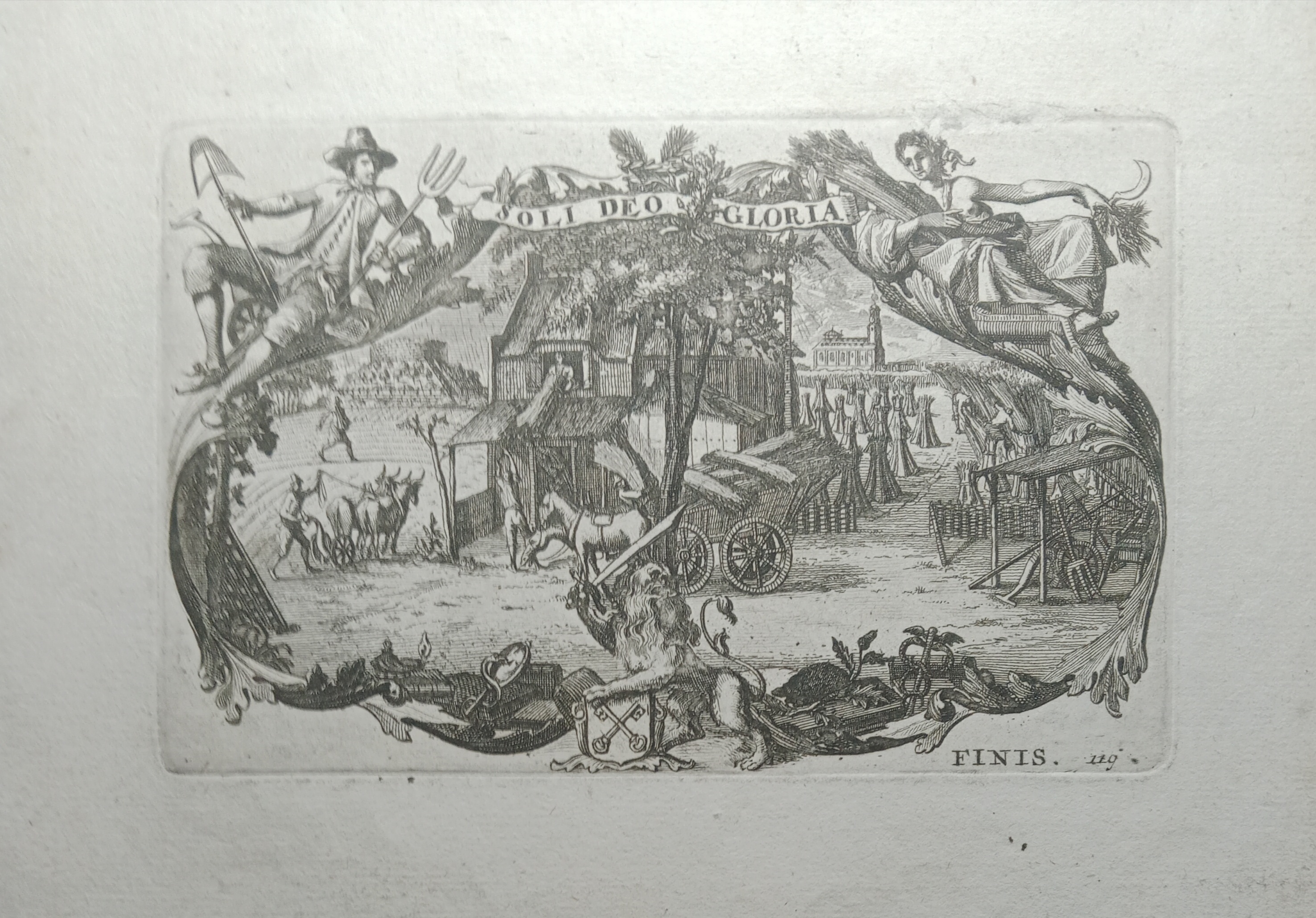
Esta lámina sirve como frontispicio alegórico o ilustración para la famosa colección de cuentos medievales satíricos y pícaros, Les cent Nouvelles Nouvelles.
Tema central:
La coronación de la Locura, la Sátira o la Comedia, que subvierte la nobleza clásica.
Figuras y elementos clave:
La Coronación:
Una figura femenina clásica sentada (posiblemente Talía, la musa de la comedia, con una máscara teatral en la mano derecha) coloca una corona puntiaguda (que recuerda a un coral o ramas rústicas) sobre la cabeza de una figura masculina salvaje y barbuda.
El Rey Subversivo:
El hombre barbudo sostiene una maraca de madera o un bastón de bufón en la mano izquierda, atributos tradicionales de un bufón o de la Locura, en lugar de un cetro real.
Acompañantes musicales y pastorales:
A la izquierda, una figura alada o con gorro (que recuerda a Mercurio o a un sátiro) toca una flauta. Debajo de él, un anciano exhausto descansa sobre un bastón (posiblemente representando a Diógenes o el paso del tiempo).
Figuras en primer plano:
En la parte inferior derecha, una figura femenina velada sostiene un ave (probablemente un ganso o un pato) y una gran moneda o medallón, que simbolizan el comercio, la codicia o la insensatez doméstica. Dos palomas o pájaros se posan cerca de sus pies.
Narrativa de fondo:
En la parte superior del fondo, se desarrolla una escena pastoral o narrativa cerca de un monumento o tumba, mostrando figuras con vestimenta del siglo XVII participando en una persecución o duelo al aire libre, reflejando la naturaleza teatral o narrativa del texto.
______________________
This print serves as an allegorical frontispiece or illustrative plate for the famous collection of ribald and satirical medieval tales, Les cent Nouvelles Nouvelles.
Central Theme:
The crowning of Folly, Satire, or comedy, subverting classical nobility.
Key Figures & Elements:
The Crowning:
A seated classical female figure (possibly Thalia, the muse of comedy, holding a theatrical mask in her right hand) places a spiked crown (resembling coral or rustic branches) onto the head of a wild, bearded male figure.
The Subversive King:
The bearded man holds a wooden rattle/maraca or bladder-stick in his left hand, traditional attributes of a jester or Folly, rather than a royal scepter.
Musical & Pastoral Attendants:
To the left, a winged or cap-wearing figure (resembling Mercury or a Satyr helper) plays a pipe/flute. Below him sits an elderly, exhausted man resting on a staff (possibly representing Diogenes or Time being bypassed).
The Foreground Figures:
On the bottom right, a veiled female figure holds a bird (likely a goose or duck) and a large coin or medallion, signifying commerce, greed, or domestic folly. Two doves/birds sit near her feet.
Background Narrative:
In the upper background, a pastoral or narrative scene plays out near a monument or tomb, showing figures in 17th-century attire engaged in an outdoor chase or duel, mirroring the theatrical or narrative nature of the text.
TITULO / TITLE :
Les Cent Nouvelles
AUTOR / AUTHOR :
GRABADOR / ENGRAVER :
Gillem van der Gouwen ( 1657 - 1716 )
DATOS BIOGRÁFICOS / BIOGRAPHICAL DATA :
MEDIDAS / MEASURES :
10 x 15 cm
TÉCNICA / TECHNIQUE :
Grabado a buril y aguafuerte
El fino sombreado cruzado define las sombras y el volumen, típico de las ilustraciones de libros francesas de finales del siglo XVII y principios del XVIII. La lámina muestra un trazo lineal nítido combinado con pasajes grabados más suaves que crean profundidad en el paisaje de fondo.
Burin engraving and etching
Fine cross-hatching to define shadows and volume, typical of late 17th and early 18th-century French book illustrations. The plate shows crisp linear work combined with softer etched passages to create depth in the landscape background.
FECHA DE ESTAMPACIÓN / STAMPING DATA :
1750, S / XVIII
PERIODO / PERIOD :
Rococó
ESCUELA / SCHOOL :
Escuela Francesa / French School
SERIES / SERIES :
Grabado del Siglo XVIII / 18th century engraving
Portadas / Covers Pages
OBSERVACIONES / OBSERVATIONS :
Grabado prominente de la publicación :
Prominent engraving of the publication :

CATALOGO / CATALOGUE :
Carpeta del Siglo XVIII B, C 2 Port 1 - Subcarpeta 9